4 March, 2026 /Anthony Pascoe
4 March, 2026 /Anthony Pascoe
For many retirees, the first thought is simple:
“If I need money, I’ll have to sell.”
The home is often your largest asset. When expenses rise or income feels tight, selling can seem like the most direct way to unlock value. Selling is familiar. Alternative structures are less widely understood.
Yet selling is not the only way to access equity in retirement.
Understanding the alternatives is important and can be empowering.
Most Australians understand traditional home loans. Fewer are aware of lending options designed specifically for retirees.
As a result, when funds are needed, downsizing or selling is often treated as the default.
Selling releases equity in full. It also typically involves:
For those who want to stay in their home, that disruption may not be ideal.
“It’s a massively enabling thing and allows them to stay in the home that they love.”
Anthony Pascoe
Founder & CEO
When retirees realise there may be a viable alternative to selling that still unlocks equity in their home to serve their immediate and near term cash needs, the shift in perspective can be meaningful.
In certain circumstances, yes.
A reverse mortgage is a home loan (regulated by consumer credit legislation) generally available to homeowners aged 60 years of age and over, subject to lending criteria and regulatory conditions.
It allows eligible borrowers to access a portion of their home’s equity while continuing to live in the property.
There are no required repayments while you remain in your home (subject to compliance with the loan terms). Interest accrues and is added to the loan balance, along with any applicable fees (if any). The loan is typically repaid when the property is sold or permanently vacated.
You remain the registered owner of your home, provided you meet the ongoing obligations set out in the loan agreement.
Reverse mortgages in Australia operate under consumer credit legislation, including responsible lending obligations.
They include:
These safeguards are designed to support informed decision-making.
The right decision depends on your circumstances.
When comparing selling vs reverse mortgage options, you may wish to consider:
Selling provides full access to equity but requires relocation.
A reverse mortgage allows eligible homeowners to access equity without selling, with interest and fees (if applicable) accruing on their loan over time.
Neither option is inherently right or wrong. The appropriate path depends on your priorities and long-term plans.
It’s understandable that selling can feel like the only path. It is the option most people know.
Familiarity does not mean it is the only choice.
A reverse mortgage is a long-term financial commitment and may not be suitable for everyone. Lending is subject to eligibility criteria, credit assessment and acceptable loan purposes.
You should seek independent legal advice before settlement.
Taking time to understand your options is important. Exploring the available structures supports an informed decision.
If you would like to understand how a reverse mortgage may apply in your circumstances, speaking with a qualified lending specialist can help you assess what may be available.

Many retirees assume selling is required to access equity, but viable alternatives may be available.
A reverse mortgage allows eligible homeowners to access a portion of their home’s value while remaining in the property.
Selling and equity release structures serve different needs. Independent advice is essential before making any decision.
A reverse mortgage lets you access equity while keeping the option to sell your home later if your needs change.
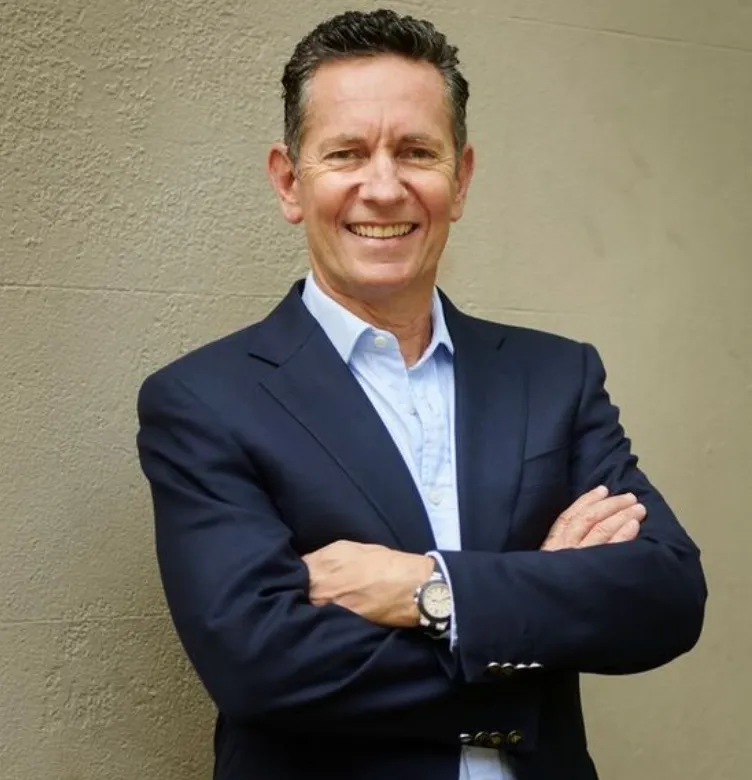
Anthony Pascoe is the Founder and CEO of Kindred Home Equity. With a background spanning corporate leadership, investment, and technology, he’s spent his career turning complexity into clarity and ideas into action.
He believes older Australians deserve to be in a position of financial confidence. Through Kindred, Anthony and the team are growing a business that puts people first – offering guidance that’s clear, compassionate, and grounded in trust, so Australian seniors can feel secure in the homes they love.
At Kindred Home Equity, we believe knowledge is freedom. Most people start with the same questions about reverse mortgages, so we’ve put together clear, simple answers to help you and your family feel informed and confident.
Selling is one option. A reverse mortgage is another structure that may allow eligible homeowners to access equity while remaining in the property. The appropriate option depends on individual circumstances and independent advice.
Reverse mortgages are generally available to homeowners aged 60 years of age and over, subject to lending eligibility criteria and property requirements.
The amount available depends on age, property value and lending criteria. Borrowing limits increase with age. Lenders are required to provide projections showing how interest may affect equity over time
Not necessarily. While selling provides access to full equity, lending structures such as reverse mortgages may allow eligible homeowners to access a portion of equity without relocating.